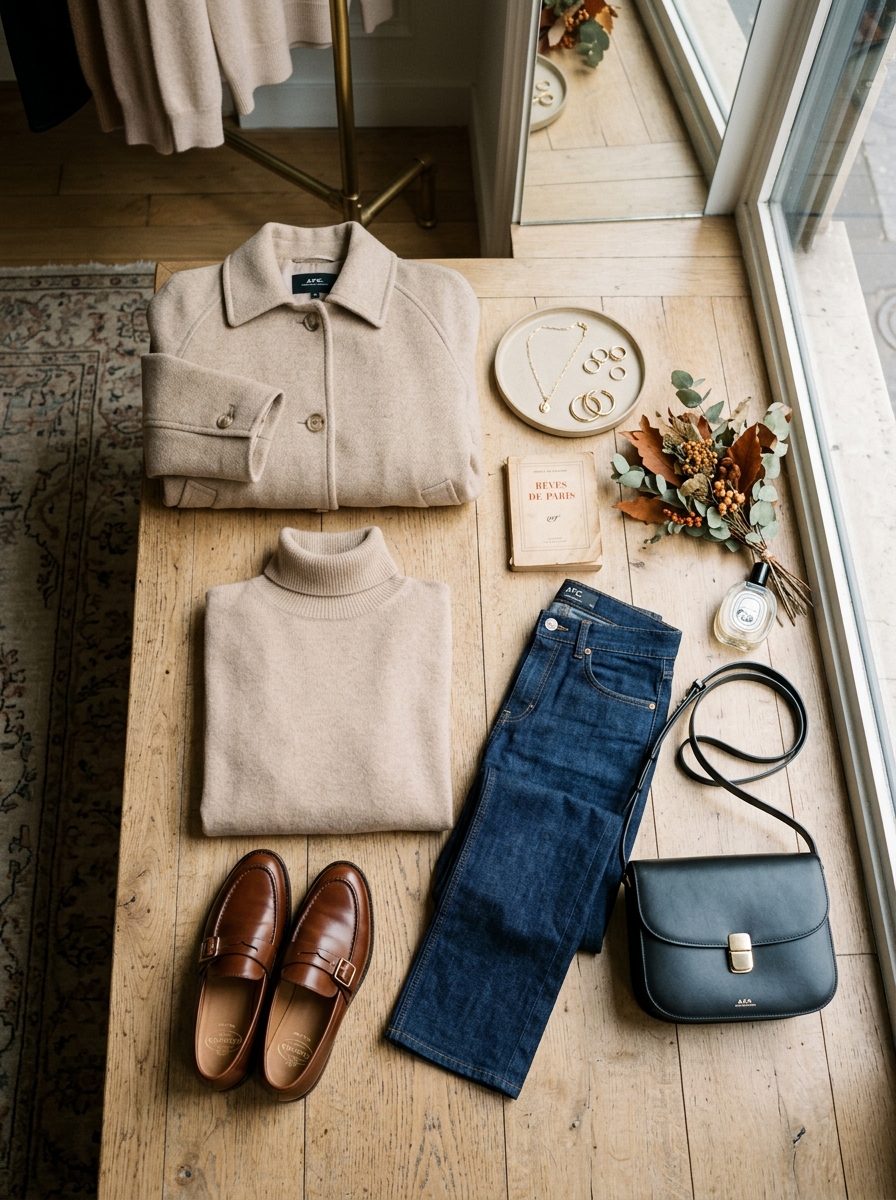
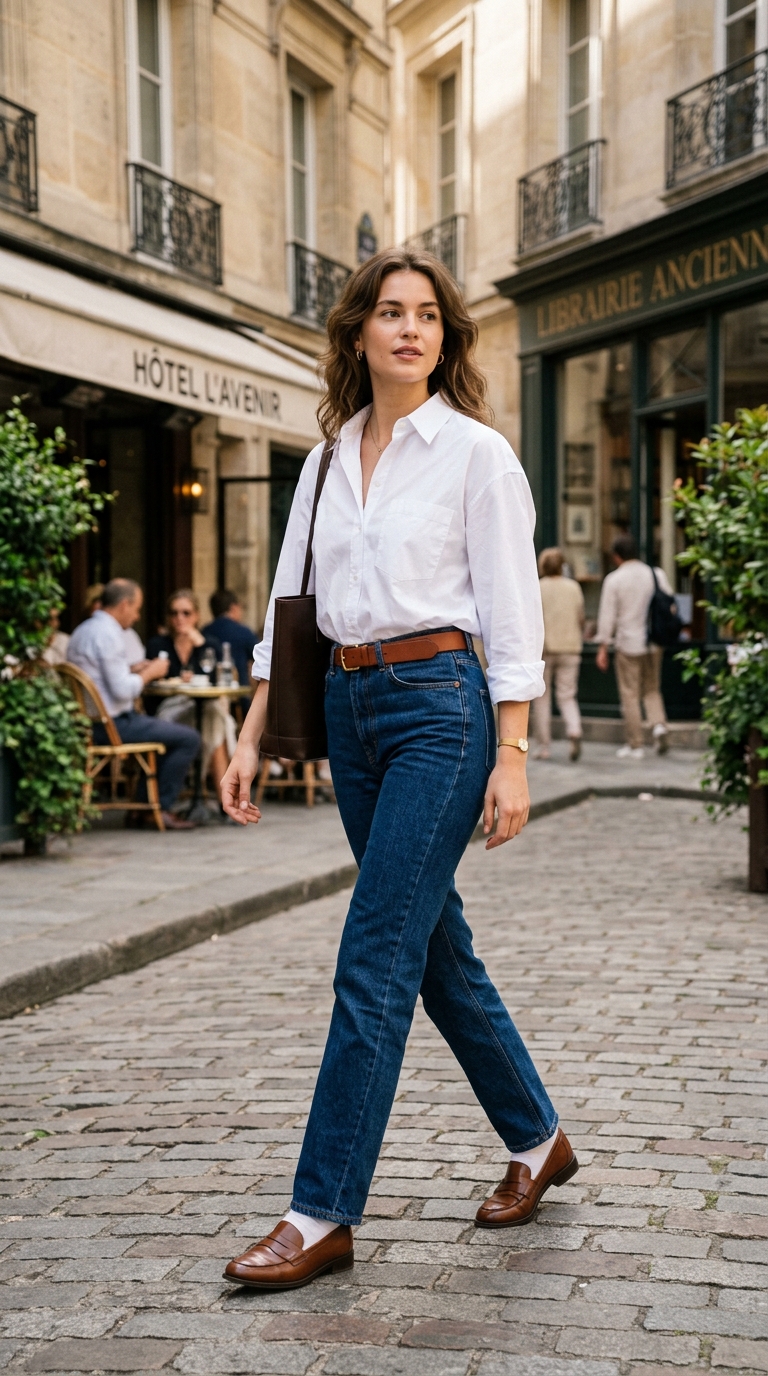
In a world dominated by rapid fashion cycles and transient trends, the concept of a capsule wardrobe offers a refreshing return to intentionality, quality, and effortless personal style. Popularized in the 1970s by Susie Faux, owner of the London boutique Wardrobe, and later championed by designer Donna Karan, a capsule wardrobe is a curated collection of classic, versatile clothing items that can be seamlessly mixed and matched.
By prioritizing high-quality essentials over fast-fashion clutter, you not only simplify your morning routine but also build a signature aesthetic that stands the test of time. In this comprehensive guide, we will break down the exact steps to build your own women’s capsule wardrobe, explore the 15 non-negotiable essentials, and reveal styling formulas that work for every season.
Part 1: The Philosophy of Less is More
The average person wears only 20% of their wardrobe 80% of the time. The remaining 80% consists of impulse purchases, ill-fitting garments, and trend-specific items that no longer align with their lifestyle. Transitioning to a capsule wardrobe eliminates this decision fatigue.
The Benefits of a Capsule Wardrobe
- Decision Simplification: No more staring at a full closet feeling like you have “nothing to wear.” When every item fits beautifully and coordinates with everything else, getting dressed takes seconds.
- Cost-per-Wear Efficiency: Investing in a $150 wool blazer you wear 50 times ($3 per wear) is far more economical than buying a $30 synthetic blazer you wear twice ($15 per wear).
- Sustainable Posture: By stepping off the fast-fashion hamster wheel, you reduce your environmental footprint, supporting ethical manufacturing and durable fabrics.
- Cohesive Aesthetic: A capsule wardrobe naturally forces you to define your personal style, ensuring you always look polished, intentional, and put-together.
Part 2: How to Start Your Capsule Journey
Building a capsule wardrobe does not mean throwing away everything you own and starting fresh on a massive budget. Instead, it is a process of editing, organizing, and strategically adding missing foundations.
Step 1: The Closet Audit
Empty your closet completely. Group your clothes into four piles:
- The Keep Pile: Items you love, wear regularly, that fit well, and align with your current aesthetic.
- The Archive Pile: Seasonal items (like heavy coats in summer) or pieces you are hesitant to discard but do not wear daily. Store these out of sight.
- The Donate/Sell Pile: High-quality items that no longer fit or suit your style but can find a second home.
- The Recycle Pile: Worn-out, stained, or damaged garments.
Step 2: Define Your Color Palette
A cohesive color palette is the secret sauce of a successful capsule. Without it, items will not mix and match easily. A standard capsule palette consists of:
- Three Neutrals: Black, white, cream, navy, grey, camel, or beige. These form the base of your outfits.
- Two Accents: Soft olive, rust, burgundy, sky blue, or chocolate brown. These add personality and depth without clashing with your neutrals.
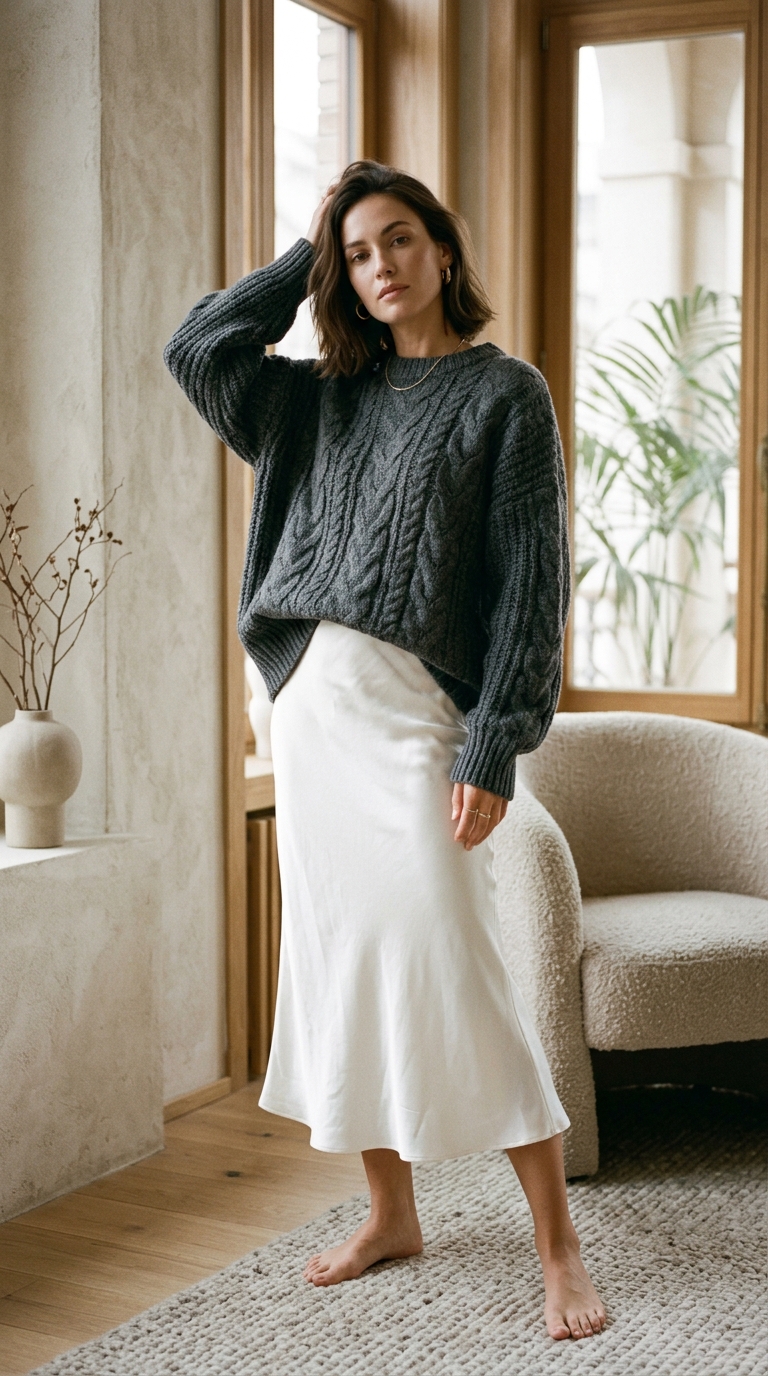
Figure 1: Coordinating rich charcoal knits with fluid silk slip skirts in neutral tones.
Part 3: The 15 Essential Capsule Elements
While every capsule should reflect your individual lifestyle, these 15 foundations represent the gold standard of timeless women’s fashion:
1. The Tailored Camel Trench Coat
A lightweight, double-breasted trench coat is the ultimate layering piece for transitional weather. It adds instant structure to casual denim and provides rain protection.
- Material: 100% Cotton gabardine or water-resistant canvas.
- Fit: Slightly oversized to allow heavy sweaters underneath.
2. The Structured Black Blazer
A black blazer bridges the gap between casual streetwear and formal business attire. It structures the shoulders and cinches the waist for a clean silhouette.
- Material: Wool blend or high-quality crepe. Avoid polyester linings which trap heat.
- Styling Tip: Roll up the sleeves slightly and pair with a white tee and gold jewelry.
3. The Classic White Crewneck Tee
The humble white t-shirt is the absolute workhorse of any wardrobe.
- Material: 100% Organic cotton with a medium weight (so it isn’t transparent).
- Care: Wash with whites only and air-dry to preserve brightness.
4. The Straight-Leg Denim
Straight-leg jeans in a mid-to-dark wash are universally flattering and never go out of style.
- Material: 98% to 100% Cotton. Avoid high-stretch denim as it loses shape over time.
- Length: Cut just above the ankle bone to show off your loafers or boots.

Figure 2: The classic combination of a tailored blazer, straight trousers, and clean white trainers.
5. The Silk or Satin Slip Skirt
A midi-length silk slip skirt is incredibly versatile. It moves beautifully and translates effortlessly from day to night.
- Material: Mulberry silk or high-grade satin.
- Coordination: Wear with an oversized chunky knit in autumn, or a linen tee in summer.
6. The Oversized Knit Sweater
A chunky, high-quality knit provides warmth and texture.
- Material: Cashmere, alpaca, or merino wool. Synthetics like acrylic pill quickly and trap odor.
- Color: Neutral grey, oatmeal, or cream.
7. The Tailored Wide-Leg Trouser
Trousers are no longer restricted to office environments. A high-waisted, wide-leg trouser is comfortable and creates a long, elegant leg line.
- Material: Lightweight wool, crepe, or a linen blend for summer.
- Color: Taupe, navy, or black.
8. The Button-Down Striped Shirt
An oversized striped cotton shirt adds a crisp, preppy layer to any casual look.
- Material: 100% Crisp poplin cotton.
- Stripes: Fine vertical blue and white stripes.
9. The Little Black Dress (LBD)
A simple, knit black midi dress is the ultimate emergency outfit. It can be dressed up with heels or dressed down with a denim jacket and flats.
- Material: Ribbed cotton knit or heavy jersey.
- Cut: A modest crewneck or mock neck with clean lines.

Figure 3: Elevating a simple black knit dress for evening dining using warm gold accents.
10. The Leather Loafer
A classic flat shoe that looks polished and feels comfortable for all-day walking.
- Material: Genuine leather with a soft inner lining.
- Detailing: Minimalist hardware, clean stitching.
11. The White Leather Sneaker
A clean, minimal white sneaker keeps your capsule youthful and casual.
- Material: Smooth leather (much easier to wipe clean than canvas).
- Style: Low-profile, without loud logos.
12. The Cashmere Turtleneck
A thin, fine-gauge turtleneck is perfect for layering under blazers, coats, or slip dresses.
- Material: 100% Cashmere.
- Fit: Fitted to the body without being tight.
13. The Leather Tote Bag
A structured bag large enough to hold a laptop, book, and daily essentials.
- Material: Full-grain leather in black or tan.
- Internal: Zip pockets to keep small items organized.
14. The Linen Button-Down
A breathable top option for hot summer days or beach layering.
- Material: 100% Pure flax linen.
- Color: Opt for a soft white or beige.
15. The Structured Wool Coat
A heavy wool wrap coat holds its shape and keeps you warm during peak winter months.
- Material: At least 80% Wool.
- Length: Midi length (below the knee) for maximum wind protection.
Part 4: Seasonal Transitions
The magic of a capsule wardrobe lies in its adaptability. As the seasons change, your core pieces remain the same, but the way you layer them shifts.
Spring: The Return of Light Layers
During spring, keep the white t-shirt and straight-leg jeans as your uniform. Swap the heavy wool coat for your tailored camel trench. Introduce your striped button-down shirt, wearing it open over your t-shirt. Transition from leather boots to clean white sneakers.
Summer: Breathable Textures
In summer, lean heavily on the linen button-down shirt and your white t-shirt. Pair them with lightweight wide-leg trousers or denim shorts. Slip skirts paired with simple tanks are perfect for breezy summer nights. Keep a light cotton knit on hand for cool air conditioning.
Autumn: Rich Textures and Tones
Autumn is the golden era for capsule styling. Layer your cashmere turtleneck under your structured black blazer. Swap your trousers for straight-leg denim and slip into leather loafers. The wool wrap coat becomes your primary outerwear piece, combined with warm oatmeal knits.
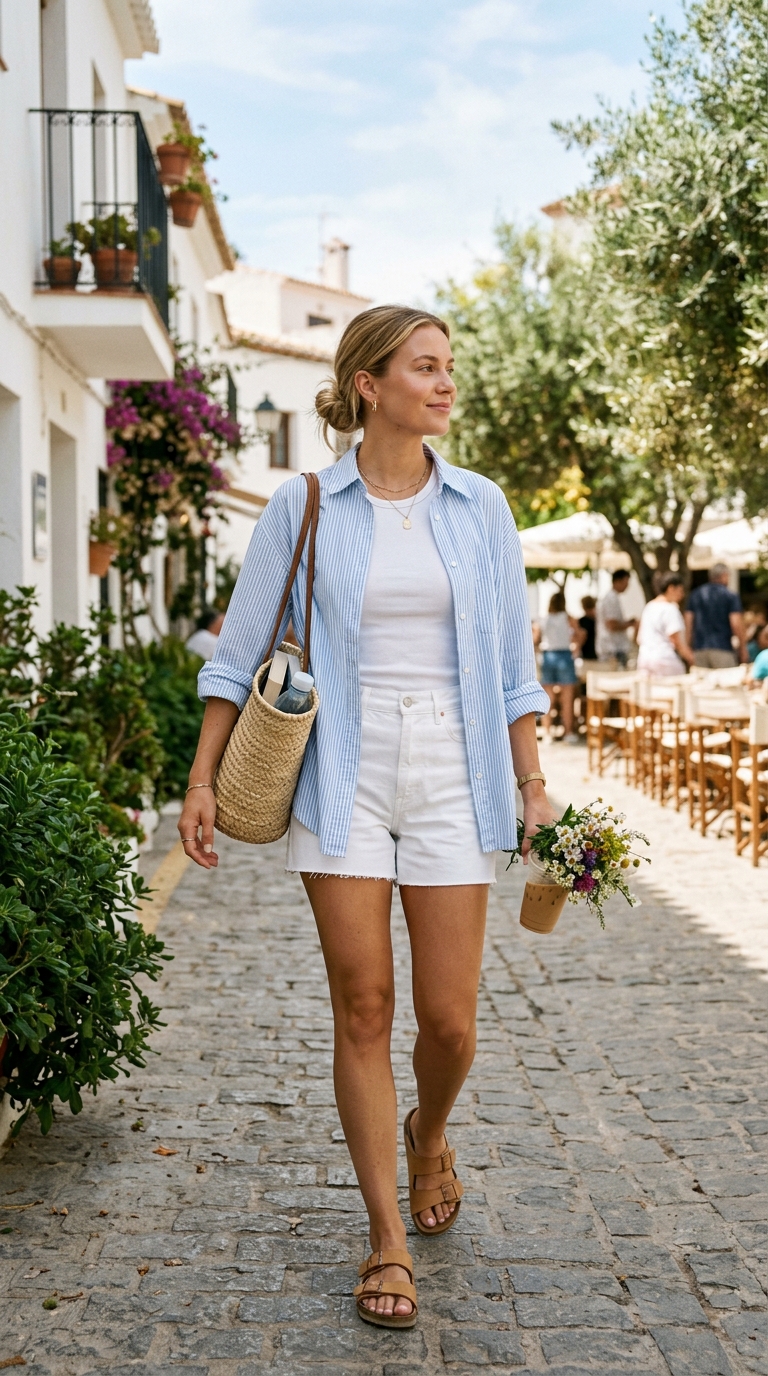
Figure 4: Transitioning into summer using crisp blue cotton stripes and pure white coordinates.
Winter: Heavy Duty Layering
Winter styling requires thermal layering. Use your cashmere turtleneck as a base layer. Add your oversized chunky knit sweater on top, followed by the structured wool wrap coat. Pair with thick straight-leg denim and leather boots. Accessorize with a cashmere scarf and leather gloves.
Part 5: The Power of Accessorizing
Since a capsule wardrobe relies on simple, neutral basics, accessories are what define the mood of your outfit. A white tee and jeans can look casual or incredibly high-end depending entirely on your accents.
Metal Consistency
Select one primary metal (gold or silver) and keep it consistent throughout your jewelry, bag hardware, and shoe details.
- Gold: Warm, classic, and pairs beautifully with camel, cream, and brown neutrals.
- Silver: Cool, modern, and pops against black, navy, and charcoal grey.
Signature Items
Every capsule should contain 3 signature accessories:
- A Classic Watch: A leather-strap or metal-link watch adds an air of professionalism and structure.
- Leather Belts: A black belt with gold hardware and a tan belt with silver hardware help break up monochromatic outfits and define the waist.
- Structured Sunglasses: A pair of black tortoise shell sunglasses in a flattering shape (like cat-eye or round) frames the face.
Part 6: Quality and Maintenance
Since you are wearing each capsule item more frequently, caring for your garments is crucial to ensure they last for years.
Washing Habits
- Wash Less: Outerwear, blazers, and wool knits rarely need washing. Spot clean stains and hang them in a ventilated area to freshen up.
- Use Cold Water: Wash cottons and synthetics in cold water on a gentle cycle to prevent shrinkage and color fade.
- Air Dry: Never put high-quality cottons, silk, or wool in a tumble dryer. Lay knits flat to dry so they do not stretch out of shape.
Fabric Care
- De-Pilling: Invest in a electric fabric shaver. Wool and cashmere naturally pill due to friction; shaving them once a season makes them look brand new.
- Steaming: Swap your iron for a handheld steamer. Steaming is gentler on delicate fabrics like silk and linen, and quickly releases creases without flattening the fibers.
- Proper Storage: Never hang wool knits; the weight will cause the shoulders to stretch. Fold them neatly. Hang coats, blazers, and silk pieces on wide wooden hangers.
Conclusion: Embodying Personal Style
Building a capsule wardrobe is not a set of rigid rules; it is a framework to help you cultivate a closer relationship with your clothing. By choosing quality over quantity, you create a peaceful closet environment, save time and money, and walk out the door every day looking polished, timeless, and uniquely yourself. Start small, focus on the fabric compositions, and let your personal style evolve organically.